
Sega Show in Mauritius: The Story Behind the Dance
A sega show in Mauritius is a live performance of the island's national folk dance, played on the ravanne drum and sung in Mauritian Creole. Born among enslaved Africans and Malagasy people, traditional Mauritian sega has been listed by UNESCO as Intangible Cultural Heritage since 2014. Here is where the dance comes from, how to read it, and how to enjoy one at your villa.
What Is Sega? The National Dance of Mauritius
Sega is the music and dance of Mauritius, sung in Creole and driven by hand drums, rattles and a metal triangle. It is performed at family parties, weddings, beach gatherings and in the evening shows of the island's hotels.
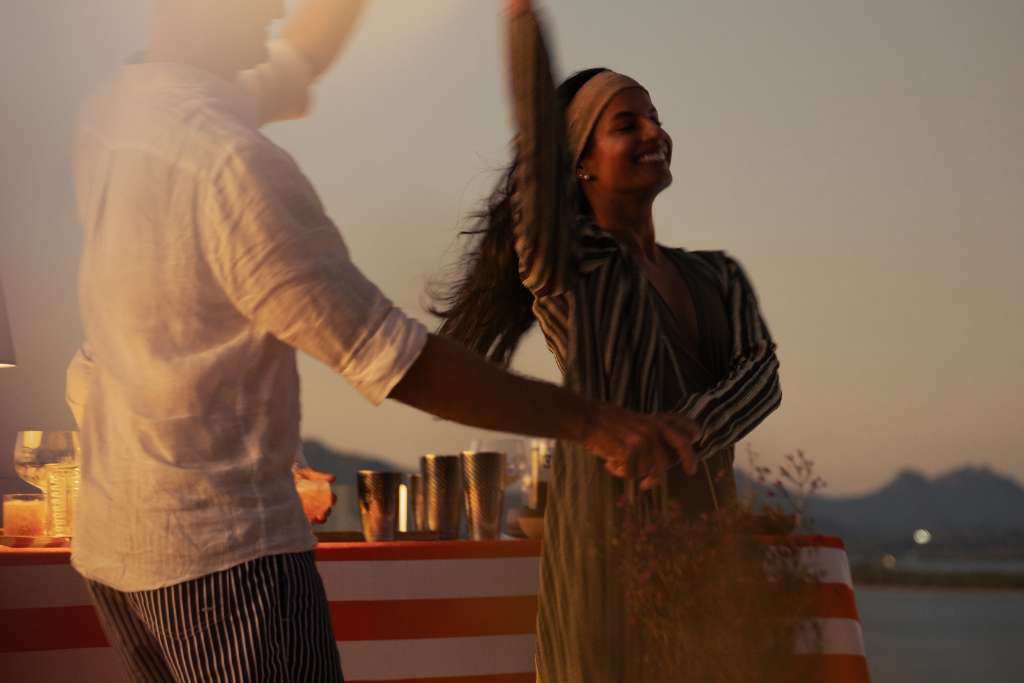
The dance is recognisable at first glance. Dancers keep their feet close to the ground and let the movement travel through the hips, waist and arms. Women wear long, wide skirts in bright colours that swirl with every turn, while men traditionally wear colourful shirts, rolled-up trousers and sometimes straw hats.
A performance follows a clear build-up. It opens slowly, with a singer and a few beats of the ravanne, then speeds up until dancers and drummers reach a fast, joyful climax. The lyrics tell stories of daily life on the island: love, work, the sea, humour and hardship.
Where Does Sega Come From? A Story of Resistance
Sega was born among the enslaved people brought to Mauritius from Madagascar and mainland Africa, mainly during the French colonial period in the 18th century. After long days on the sugar plantations, they gathered at night, often on the beach and around a fire, to sing, drum and dance.
For them, sega was a way to express pain, keep memory alive and resist in a language the masters did not always understand. Historians still debate its exact origins: some link it to Malagasy rituals, others to a dance called tchéga from Mozambique, and it later absorbed European influences such as the polka and the quadrille.
Slavery was abolished in Mauritius in 1835, and every 1 February the island marks the anniversary with a public holiday. Sega was long played mostly in private, until the 1960s brought it to wider audiences. It is now a shared symbol of Mauritian identity, danced by every community on the island.
The Instruments of Sega: Ravanne, Maravanne and Triangle
Traditional sega relies on three main instruments, all simple, handmade and deeply rhythmic.
- Ravanne: a large frame drum covered with goatskin. Before playing, musicians warm the skin over a fire to tighten it and get a sharper, deeper sound. It sets the heartbeat of the dance.
- Maravanne: a rectangular rattle filled with seeds or small stones, traditionally made from sugarcane stems. It is shaken to create a steady, rolling rhythm.
- Triangle: a metal triangle struck with a rod, adding a bright, high-pitched beat above the drums.
Modern sega bands often add guitars, keyboards and bass, but the ravanne remains the instrument that defines the sound. On the island of Rodrigues and in the Chagos Archipelago, a drum-led style called sega tambour has its own UNESCO listings, in 2017 and 2019 respectively.
How to Watch (and Join) a Sega Dance
Watching sega is only half the experience: at the end of most shows, the dancers invite guests to join them. There is no need to know the steps, as the basics are easy to pick up.
- Keep your feet on the ground: sega dancers shuffle rather than jump, with small steps close to the floor.
- Move from the hips: the rhythm travels through the waist, while the arms stay loose and expressive.
- Follow the tempo: the dance starts slowly, so you have time to find the beat before the final acceleration.
- Bring the family: children often love this part the most, and a sega show is one of the easiest ways to share Mauritian culture with every generation, alongside our kids' services.
Light clothing and bare feet on a terrace or lawn make the experience even more authentic, as sega was first danced on sand.
From Ti Frère to Seggae: How Sega Evolved
Sega moved from private gatherings to the national stage in the 1960s, largely thanks to the singer Ti Frère. His performance at a night of sega at Le Morne in October 1964 is often cited as a turning point that made the music popular across the island.
Le Morne Brabant itself, a mountain on the south-west coast where escaped slaves are said to have taken refuge, is now a UNESCO World Heritage Site and a strong symbol of that history.
From the 1980s, the singer Kaya blended sega with reggae to create seggae, a style that gave a voice to social and political themes. Today, you will hear traditional sega typique, seggae and modern sega at concerts, festivals and on local radio, alongside Bhojpuri variations that reflect the island's Indian heritage.
Where to See a Sega Show in Mauritius
Most visitors discover sega at an evening show in a hotel or at a beach party, often on weekends. These performances are lively, but they are designed for large audiences and follow the resort's schedule.
At muse villas, a sega show can come to you. A Sega Show is part of our curated Moments, and local sega groups also feature among the private concerts offered through our events service. Your Villa Host arranges the band, the timing and the setting, whether on the beach in front of the villa, by the pool or in the garden.
A private sega night pairs naturally with dinner. Your chef can prepare a Creole menu from our gastronomy offer, and the show can become the highlight of a birthday, a family reunion or one of our tailored in-villa celebrations.
Key Facts
- Sega is the national folk music and dance of Mauritius, sung in Mauritian Creole.
- It was born among enslaved Africans and Malagasy people in the 18th century.
- Traditional instruments: the ravanne drum, the maravanne rattle and the triangle.
- Traditional Mauritian sega was listed by UNESCO as Intangible Cultural Heritage in 2014.
- At muse villas, a private sega show can be organised at your villa by your Villa Host.
FAQ: Sega in Mauritius
What is a sega show in Mauritius?
A sega show is a live performance of Mauritius' traditional music and dance. Musicians play the ravanne drum, the maravanne and the triangle while dancers, often in wide colourful skirts, move with their feet close to the ground. Shows usually last under an hour and end with an invitation for the audience to join in.
Why is sega important in Mauritius?
Sega carries the memory of the enslaved Africans and Malagasy people who created it on the plantations. It became a symbol of resistance and is now a shared part of Mauritian identity. UNESCO listed traditional Mauritian sega as Intangible Cultural Heritage of Humanity in 2014.
Can we book a private sega show at our villa?
Yes. A Sega Show is one of the Moments available at muse villas, and local sega groups can also perform as part of a private concert. Your Villa Host organises the band, the timing and the setting. Pricing is shared on request, depending on the group and the format.
Is sega suitable for children?
Yes, sega is a family dance in Mauritius, performed at birthdays and weddings for all ages. Children usually love the drums and the colourful costumes, and the simple steps make it easy for them to join the dancers at the end of the show. It is a joyful way to introduce young travellers to Mauritian culture.
A sega night under the stars is one of the most authentic ways to feel the island's soul. Explore our private villas in Mauritius, then ask your Villa Host to add a sega show to your stay.
Uncover Your Favourite Villa


You may also
be interested in this news
What Is a Villa Host? The Role That Replaces a Hotel Front Desk
Discover what a villa host does, how the role replaces a hotel front desk and what is included with your dedicated Villa Host at muse villas in Mauritius.

A Spotlight on the Exclusive Services at muse villas: The Art of Personalized Luxury
Food is an essential part of any travel experience, and at muse villas, dining is transformed into a personalized culinary journey.

Where to Stay in Mauritius? Try a Luxury Hotel with Muse Villas
Muse Villas: the refined alternative to hotels in Mauritius, with hotel-style service in the privacy of your own beachfront villa.