
Best Time to Visit Mauritius: A Month-by-Month Guide
The best time to visit Mauritius is from May to early December, when the island is dry, sunny and comfortably warm. For the sweetest balance of sunshine, warm sea and quiet beaches, aim for April to June or September to November. Yet every month has its own character, so here is what to expect, month by month, from a private villa stay.
When Is the Best Time to Visit Mauritius?
For most travellers, the best time to visit Mauritius is between May and early December, the island's dry season. Mauritius lies about 20° south of the equator, so its seasons are the reverse of Europe's: summer runs from November to April, winter from May to October.
"Winter" here is a relative term. Daytime temperatures on the coast usually stay between 24°C and 27°C, rain is rare and the light is crisp. Summer is hotter and more humid, with highs around 30°C to 32°C, a sea at 27°C to 28°C and most rainfall between January and March, which is also the main cyclone period.
The shoulder months of April, May, September, October and November often deliver the best of both seasons: warm water, lower humidity and fewer visitors than during the Christmas holidays or the European summer break.
Mauritius Weather by Month: Two Seasons, Several Coasts
When you go to Mauritius matters, and so does where you stay. From June to September, the south-east trade winds blow steadily across the island. The east and south coasts become breezier, ideal for kitesurfing, while the north and west stay sheltered, drier and sunnier.
In summer, the winds drop and the east coast lagoons turn glassy and calm, perfect for paddleboarding, snorkelling and long swims straight from the villa. The centre of the island, around Curepipe and the Black River Gorges, is always a few degrees cooler and noticeably wetter than the coast. Official forecasts and seasonal outlooks are published by the Mauritius Meteorological Services.
A Month-by-Month Guide to Mauritius
January: High Summer and Festive Energy
January is hot and humid, with daytime highs around 31°C and a sea close to 28°C. Short tropical downpours are common, usually followed by bright sunshine, and cyclone risk is at its highest from January to March. It is a lovely month for slow mornings and a gentle start to the year, with the Chinese Spring Festival or Thaipoosam Cavadee often falling in late January or February.
February: Lush Landscapes and Late Sunsets
February is one of the wettest months, and the island has never looked greener. The sea reaches its warmest, sunsets come late and evenings on the terrace feel endless. Discover why couples and friends love Mauritius in February.
March: Bright Days and Clear Lagoons
Rainfall starts to ease towards the end of March, while the water stays at around 28°C. Independence Day on 12 March and the colourful Holi festival bring a festive mood to towns and villages. Read our full guide to Mauritius in March.
April: The Sweet Spot Begins
April marks the transition between seasons: humidity drops, cyclone risk fades and the sea remains around 27°C. It coincides with spring in Europe and the Easter holidays, which explains why spring is one of the best times to visit Mauritius.
May: Dry, Sunny and Quiet
May opens the dry season. Days stay sunny at 25°C to 27°C, the water is still pleasant at around 25°C and beaches are quiet. It is a perfect example of a low season that hardly deserves the name.
June: Trade Winds and Kitesurf Season
Evenings become cooler, at around 18°C to 20°C, ideal for long dinners on the terrace. The trade winds pick up and the east coast enters its best kitesurfing period, from May to August.
July: Cool, Clear and Whale Season
July is the coolest and driest month, with daytime highs of around 24°C. Humpback whales begin passing along the west coast from July to October on their migration. Mauritius also offers a peaceful alternative to crowded European summer destinations.
August: Family Summer Holidays
August is still mild and dry, with a sea at around 23°C to 24°C, the coolest of the year. Breezes are strong on the east coast, while the north and west remain calm. It is a popular month for summer family holidays in Mauritius, so booking early is wise.
September: Warming Up Before the Crowds
Temperatures climb again, rain is scarce and the light is exceptionally clear. September is one of the most underrated months, offering a more exclusive way to experience the island.
October: Warm, Dry and Ideal for Half-Term
October brings daytime highs of 26°C to 28°C, a warming sea and very little rain. It suits families during the October half-term holidays as well as anyone keen to swap autumn grey for summer sun.
November: Early Summer Blooms
November marks the start of summer. Flame trees start to bloom in bright red, the sea returns to around 26°C and Divali, the festival of lights, often falls in late October or November. Cyclone season officially opens on 1 November, although the risk remains low this early.
December: Festive Season in the Sun
December is hot, bright and festive, with highs around 30°C and evenings made for outdoor dining. Demand peaks from mid-December to early January, so plan several months ahead. Find out what the weather is really like in December.
When to Go to Mauritius for Your Travel Style
The right month depends as much on your plans as on the weather. Here is a simple guide based on what guests ask our team most often:
- Honeymoon or couple's escape: April to June or September to November, for warm days, calm evenings and quiet beaches.
- Families: July and August, the October half-term and Christmas, matching school holidays in Europe.
- Kitesurfing: June to August on the east coast, when the trade winds are most reliable.
- Whale watching: July to October off the west coast.
- Swimming and snorkelling: November to April, when the sea is at its warmest.
- Wellness and slow travel: May, September and October, for mild temperatures and a calmer pace.
Which muse villas Suit Each Season?
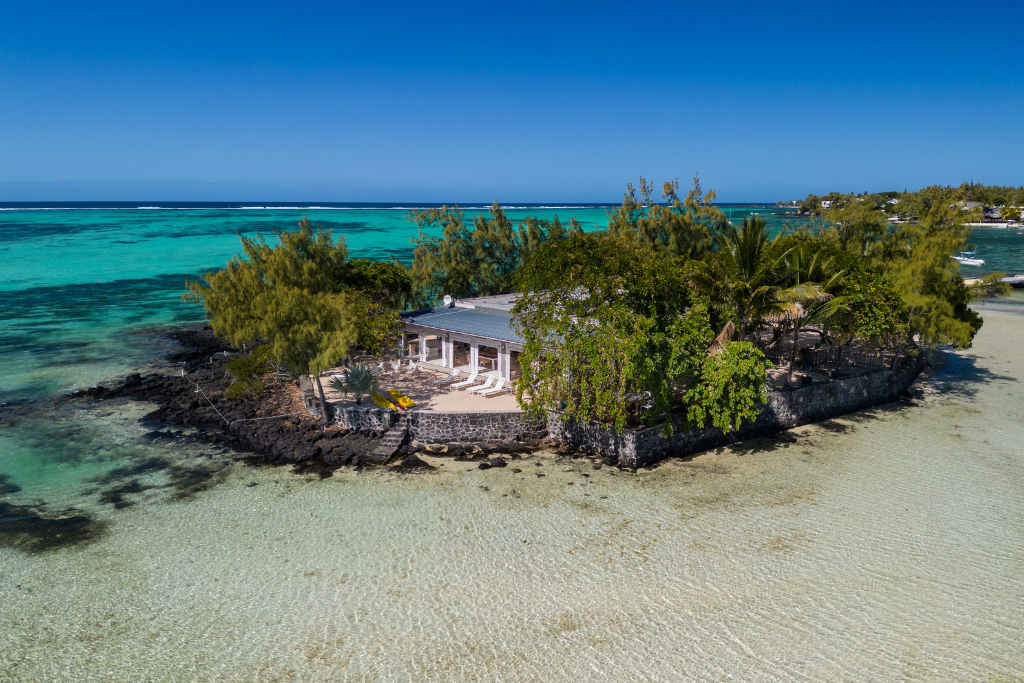
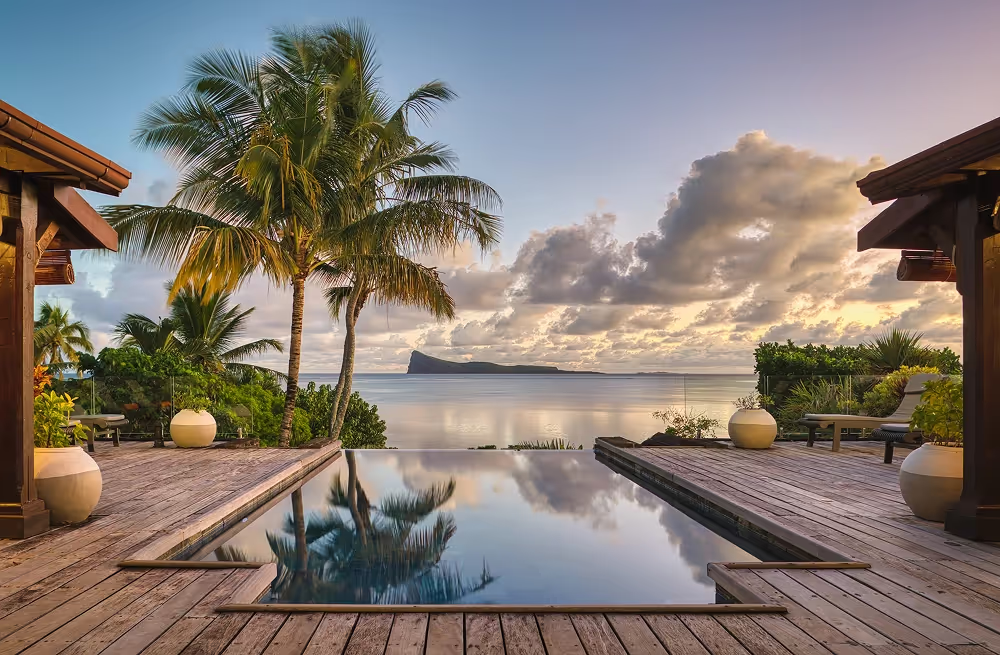
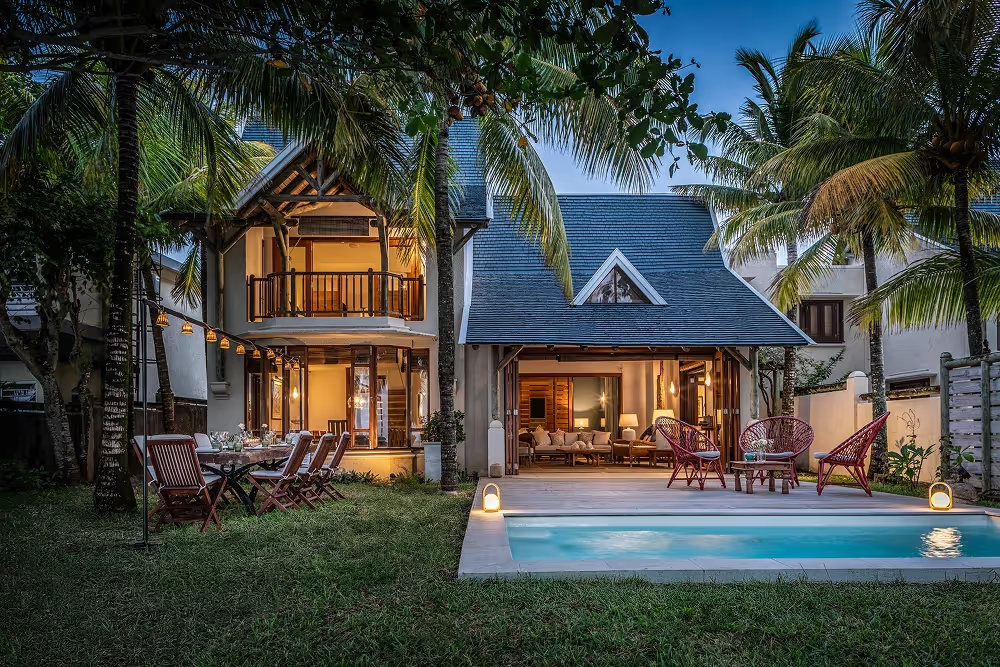
Matching the villa to the season makes a real difference. In summer, from November to April, the east coast lagoons are at their calmest. Villa Saphir and Villa Rubis in Belle Mare open directly onto the beach, while Villa Cambresi in Trou d'Eau Douce looks out towards Île de Mangénie.
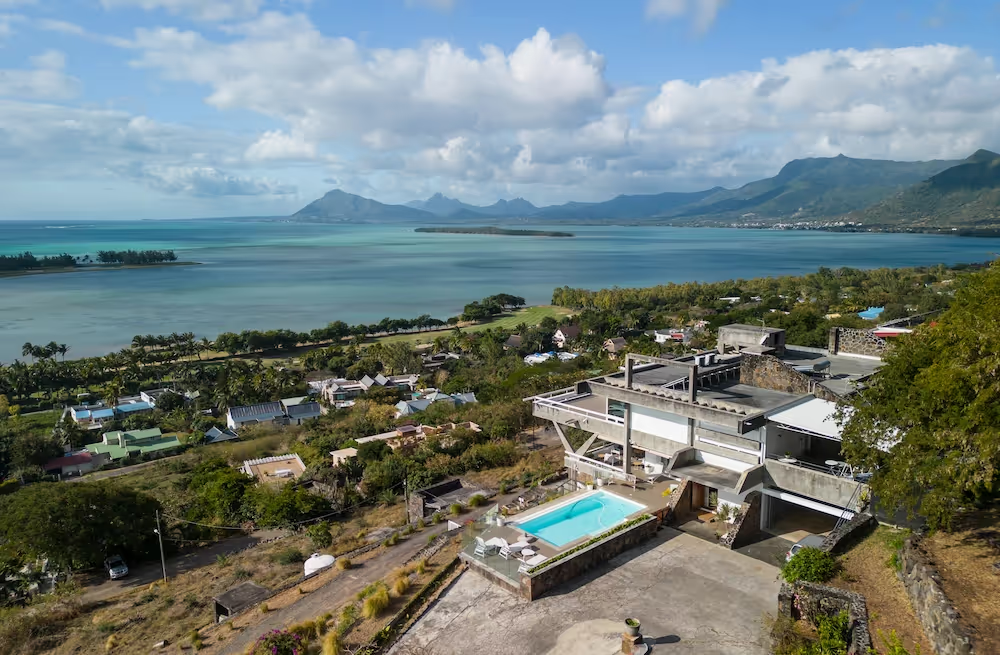
In winter, from May to October, the north and south-west are more sheltered from the trade winds. Villa Karma and Villa Zebra Moon in the north offer sunny, protected days, while Villa Cambier in Le Morne overlooks Le Morne Brabant and the lagoon, close to whale-watching waters. Kitesurfers travelling in a large group can choose Villa de l'Océan in Poste Lafayette, which welcomes 12 to 18 guests.
Whatever the month, every stay comes with hotel-style services, from a dedicated villa host to a private chef, and our team can plan curated experiences such as a sunrise escape to an untouched sandbank.
Mauritius by Season: Key Facts
- Summer: November to April, coastal highs of around 29°C to 32°C, sea at 26°C to 28°C.
- Winter: May to October, coastal highs of around 24°C to 27°C, sea at 23°C to 25°C.
- Wettest months: January to March.
- Cyclone season: November to mid-May, with the highest risk from January to March.
- Windiest period: June to September, mainly on the east and south coasts.
- Peak demand: mid-December to early January, July to August and the October half-term.
- Best overall months: May to June and September to November.
FAQ: Best Time to Visit Mauritius
What is the best month to visit Mauritius?
There is no single best month, but May, June, September, October and November are often considered ideal. These months combine dry, sunny weather, a pleasantly warm sea and fewer visitors than the Christmas period or the European summer holidays. For the warmest water, choose a month between November and April.
When is cyclone season in Mauritius?
Cyclone season in Mauritius officially runs from November to mid-May, with the highest risk between January and March. Most years pass without a direct hit, and storms are tracked days in advance. Travelling during this period simply calls for flexible plans and travel insurance.
Can you swim in Mauritius in July?
Yes. In July, the sea around Mauritius stays at around 23°C to 24°C, which is cooler than in summer but comfortable for swimming and snorkelling. Lagoons in the north and west are the most sheltered from the trade winds, so they offer the calmest conditions at this time of year.
When is Mauritius least crowded?
Mauritius is usually quietest in May, June and September, outside the main school holidays. These months offer sunny, dry weather and an especially peaceful atmosphere. Booking a private villa during this period also gives you more choice of properties and dates.
Is the weather the same everywhere on the island?
No. The east and south coasts are windier in winter, while the north and west are generally drier and more sheltered. The central plateau, around Curepipe, is cooler and rainier than the coast all year round. Choosing your area according to the season helps you enjoy the best conditions.
Whatever the month you choose, our team will match the villa to the season and prepare every detail before you arrive. Explore the muse villas collection and start planning your stay in Mauritius.
Découvrez votre villa préférée
Vous pouvez également
être intéressée par cette nouvelle

Y a-t-il vraiment une basse saison à l'île Maurice ? Repenser la meilleure période pour voyager
Découvrez pourquoi la « basse saison » à l'île Maurice est en réalité le moment idéal pour s'y rendre, avec des tarifs plus abordables, moins de monde et un séjour en villa privée sur mesure.

L'île Maurice en décembre : quel temps fait-il vraiment pour une escapade festive en villa ?
Découvrez la météo à l'île Maurice en décembre. Un climat tropical chaud, idéal pour passer des fêtes de fin d'année inoubliables dans une villa de luxe.
L'île Maurice en février : paysages luxuriants, mers chaudes et couchers de soleil tardifs
Découvrez l'île Maurice en février : paysages luxuriants, lagon chaud et longues soirées sur la terrasse de votre villa privée, idéale pour les couples et les amis.